

NCC in School: Benefits for Students
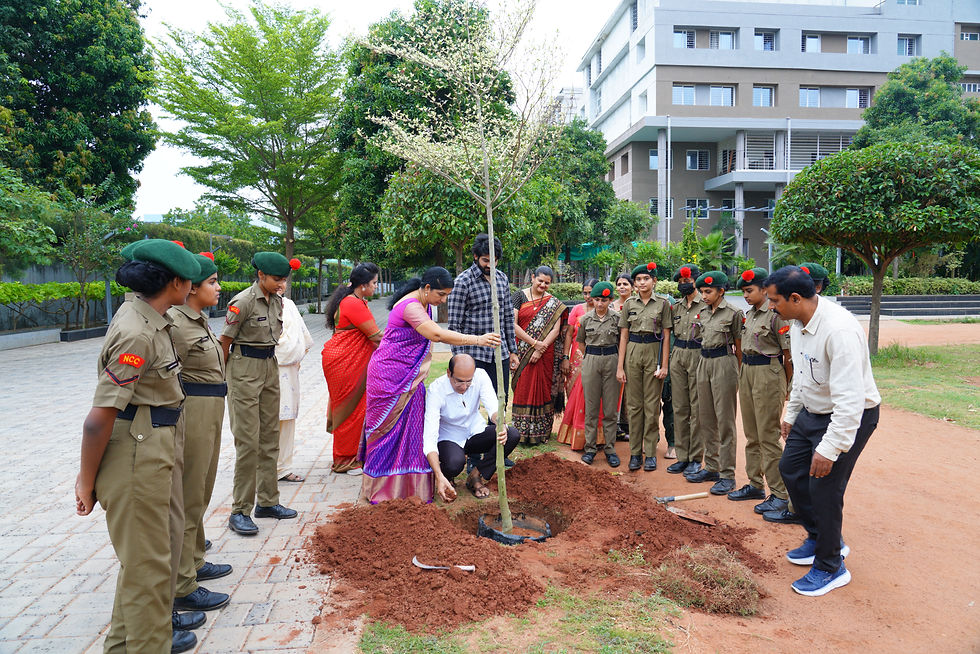
Many parents remember the National Cadet Corps from their own school or college days: the khaki uniform, the parades and the camps. Today, when a child in Rajahmundry comes home asking to join NCC, parents often wonder whether it is worth the time alongside studies and coaching.
This guide explains what NCC is, what school cadets do, the real benefits, and the questions to ask before your child enrols.
QUICK ANSWER NCC in school builds discipline, fitness, leadership and a habit of community service. Cadets learn drill, basic map reading and first aid, attend camps and take part in social service. Eligible cadets can earn an NCC certificate, which some institutions and recruitment processes recognise. Check current NCC rules and your school's unit details before enrolling. AT A GLANCE
|
What is NCC?
The National Cadet Corps (NCC) is a voluntary youth organisation that works under the Ministry of Defence. It is open to students in schools and colleges across India. Its motto is Unity and Discipline.
NCC is not military training for war, and joining NCC does not commit a child to the armed forces. It aims to build character, leadership and a spirit of service. In schools, students typically join the Junior Division or Junior Wing, guided by a trained school teacher who serves as the NCC officer.
What do school NCC cadets do?
Activities vary by unit, but most school cadets take part in a mix of the following:
Activity | What it involves | What the child gains |
|---|---|---|
Drill and parade | Marching, commands and ceremonial parades | Posture, focus and teamwork |
Physical training | Running, exercises and fitness routines | Stamina and healthy habits |
Camps | Short residential camps with cadets from other schools | Independence and new friendships |
Map reading and fieldcraft | Basic navigation and outdoor skills | Problem-solving and confidence outdoors |
First aid and disaster awareness | Basic first aid and safety drills | Life skills for any emergency |
Social service | Tree planting, cleanliness drives, awareness rallies | Responsibility towards the community |

What are the benefits of NCC in school?
Discipline and time management. Cadets learn to be on time, in uniform and ready. These habits carry into study routines.
Fitness. Regular drill and training build stamina, which helps children who otherwise spend long hours at a desk.
Leadership. Senior cadets lead squads and take responsibility for younger cadets.
Confidence. Speaking up in front of a group, following and giving commands, and attending camps away from home all build self-belief.
Service mindset. Tree planting, cleanliness drives and relief work show children that they can help their community.
Certificates. Eligible cadets can appear for NCC certificate exams. NCC certificates are valued in some admissions and recruitment processes, including for the armed forces.
Certificate levels, eligibility and the benefits attached to them are decided by NCC and the recruiting bodies, and they change from time to time. Check the latest rules with the school's NCC officer or the official NCC website before counting on any specific benefit.
Will NCC affect my child's studies?
This is the most common worry. In most schools, NCC activities take a few hours a week, plus occasional camps. For most children, that is manageable, and the discipline often improves study habits.
Ask how many hours a week NCC takes and when camps usually happen.
Plan around board exam years. Class 10 and Class 12 students should check camp dates against exam schedules.
Talk to your child. NCC works best when the child genuinely wants to join.
Watch the balance. If marks drop or the child is always tired, review the load with teachers.
NCC is one of several ways to build fitness and character. Our article on whether sports improve academic performance explains why active children often do better in class.
NCC and service at Future Kids Global School
NCC cadets are part of campus life at Future Kids Global School, Rajamahendravaram. School photos show FKGS NCC cadets planting saplings in a tree-planting drive, and the school's parade band in formation. The school has also contributed to Andhra Pradesh flood relief.
NCC sits alongside 25+ athletic activities on the 5+ acre campus, including archery, rifle shooting, skating, athletics, basketball, volleyball and yoga. These reflect the school's stated values of Respect, Responsibility, Integrity, Compassion, Courage and Leadership.
For details of which classes can join NCC and how activities are scheduled, please ask the admissions office or contact us.
Frequently asked questions
What is the benefit of NCC for school students?
NCC builds discipline, fitness, leadership and a sense of service. School cadets learn drill, first aid and teamwork, attend camps, and can earn NCC certificates that some institutions and recruitment processes recognise.
From which class can a student join NCC?
School students usually join the Junior Division or Junior Wing in the middle or high school years. The exact classes and age limits depend on NCC rules and the school's unit, so ask the school's NCC officer.
Does joining NCC mean my child must join the army?
No. NCC is voluntary and does not commit a cadet to the armed forces. It builds character and leadership. Cadets who later choose a defence career may find their NCC experience and certificates useful.
Do NCC certificates give extra marks or reservation?
Some institutions and recruitment processes give weightage to NCC certificates, but the rules vary and change. Check the specific admission or recruitment notice, and confirm current certificate eligibility with the NCC officer.
Does Future Kids Global School have NCC?
Yes, NCC cadets are part of school life at FKGS in Rajamahendravaram, including service activities such as tree planting. Contact the admissions office for details on eligible classes and schedules.
Admissions for 2026-27 are open at Future Kids Global School, Rajamahendravaram Ask us about NCC and the other activities your child can join on campus. Apply online, call +91 94924 27799 or book a campus visit. |


Comments